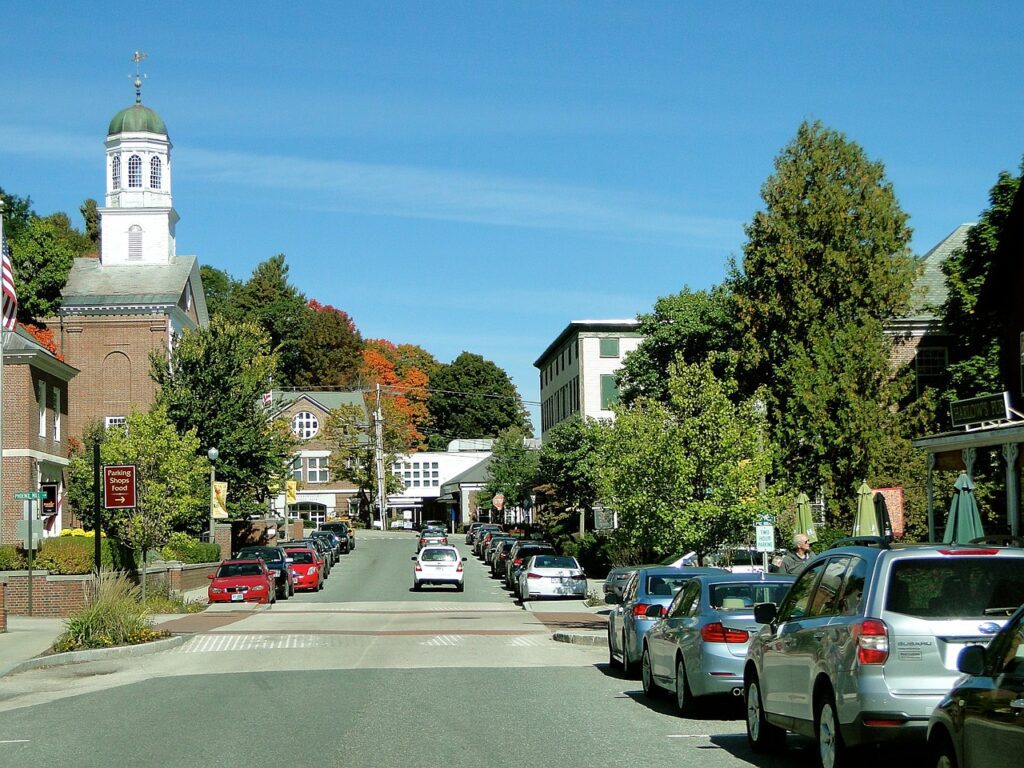
Small Town Growing
You might have noticed that small towns are seeing a surge in growth, largely driven by the remote work trend with all Small Town Growing.
As people seek more affordable living spaces, these communities are becoming increasingly appealing, enhancing local culture and economy.
However, this influx isn’t without its challenges, raising questions about infrastructure and community cohesion.
The way small towns navigate these changes can either foster vibrant new environments or lead to unintended consequences.
What strategies could these towns adopt to not only accommodate newcomers but also preserve their unique identity with Small Town Growing?
Factors Driving Small Town Growth
Small towns are thriving like never before, and several factors are fueling this growth.
First, remote work has become a game changer.
With more companies allowing employees to work from anywhere, you can live in a small town while keeping your big-city job.
This flexibility has led many to seek a slower pace of life, driving demand for homes in areas that offer natural beauty and a tight-knit community.
Additionally, affordable housing is a significant draw.
You’ll find that the cost of living in small towns often pales in comparison to urban centers.
This affordability allows you to stretch your dollar further, whether you’re buying a home or starting a business.
Another factor is the increasing interest in local culture and small businesses.
You might appreciate the unique shops, restaurants, and events that reflect the community’s character.
This trend not only enhances your quality of life but also fosters a sense of pride and belonging among residents.
Lastly, access to outdoor activities attracts those looking for a healthier lifestyle.
From hiking to fishing, small towns offer plenty of options to enjoy nature while escaping the hustle and bustle of city life.
Economic Impact on Local Communities
The economic impact of small-town growth can be profound and far-reaching.
As a small town expands, you’ll notice an increase in job opportunities, which directly benefits local residents.
New businesses emerge, and existing ones often flourish, creating a vibrant marketplace.
This influx of employment not only boosts individual incomes but also enhances the overall economic landscape.
With more people moving into town, local spending rises.
You’ll see increased demand for goods and services, leading to a thriving retail environment.
Restaurants, shops, and entertainment venues can thrive, fostering community engagement and generating tax revenue that supports public services.
Moreover, as small towns grow, they attract investments.
Developers may focus on infrastructure improvements, like roads, parks, and public facilities.
These enhancements not only make your town more appealing but also contribute to property value increases, benefitting homeowners.
In essence, the economic growth of small towns creates a positive feedback loop.
More jobs lead to higher spending, which attracts further investment.
This cycle can transform a small community into a bustling hub, ensuring a brighter future for all its residents.
You’ll witness the tangible benefits of this growth in your daily life.
Challenges Facing Small Towns
As towns expand, they often face a set of unique challenges that can hinder their progress.
One major issue is infrastructure strain.
As more residents move in, roads, water supply, and sewage systems can become overwhelmed, leading to costly repairs and sometimes hazardous conditions.
You might also notice a shortage of affordable housing, which can push new residents to seek homes in neighboring areas, stunting community growth.
Another challenge is the cultural shift that often accompanies an influx of new people.
Longtime residents may feel alienated or threatened by the changes, leading to tensions within the community.
Additionally, small towns often struggle to attract and retain skilled workers, which can hinder local businesses and services.
You’ll find that limited job opportunities could drive younger generations away, leaving behind an aging population that can’t support economic growth.
Revitalizing Local Businesses
Revitalizing local businesses can be a game-changer for growing towns, fostering community spirit and economic stability.
You mightn’t realize it, but supporting small businesses creates jobs and keeps money circulating within your community.
When you shop at local stores, you’re directly contributing to your town’s economy.
Encouraging entrepreneurship is essential with these Small Town Growing.
By providing resources like workshops, mentorship programs, or small business grants, you help aspiring business owners turn their ideas into reality.
You can also advocate for favorable zoning laws and reduced regulations, making it easier for new businesses to start and thrive.
Creating a vibrant marketplace can attract foot traffic.
Organizing events like farmers’ markets or craft fairs not only showcases local goods but also brings the community together.
Collaborating with local artists and musicians can enhance these events, making them more appealing.
Promoting social media campaigns that highlight local businesses can increase visibility and engagement.
When you share your favorite shops, restaurants, or services online, you inspire others to check them out.
Ultimately, revitalizing local businesses isn’t just about economics; it’s about building a strong, interconnected community that you can be proud of. Your support makes a real difference.
Future Opportunities for Small Towns
Supporting local businesses sets the stage for future opportunities in small towns.
When you invest in local shops and services, you’re not just boosting the economy; you’re building a vibrant community.
This creates a ripple effect, attracting new businesses and encouraging entrepreneurs to set up shop.
Think about the potential of transforming vacant buildings into co-working spaces or art galleries.
These spaces can foster collaboration and creativity, drawing in visitors and residents alike.
You might also consider hosting farmers’ markets or craft fairs, which can showcase local talent and products, further enriching your town’s culture.
Moreover, embracing technology can open new doors.
By improving internet access, small towns can attract remote workers looking for a peaceful place to live while still being connected.
You could even establish community programs focused on sustainability, making your town a desirable spot for eco-conscious individuals.
Ultimately, the future holds countless possibilities.
By prioritizing local support and innovation, you’ll create an environment where people want to live, work, and play, ensuring that your small town not only survives but thrives in the years to come.
In conclusion, small towns are thriving thanks to remote work, attracting newcomers and boosting local economies.
While challenges like infrastructure strain and cultural tensions can arise, investing in local businesses and enhancing amenities can pave the way for vibrant communities.
By embracing these changes, you can help shape a future where small towns continue to flourish, offering a balanced lifestyle that appeals to both new residents and long-time locals.
Let’s celebrate and support this transformative journey together with this Small Town Growing!