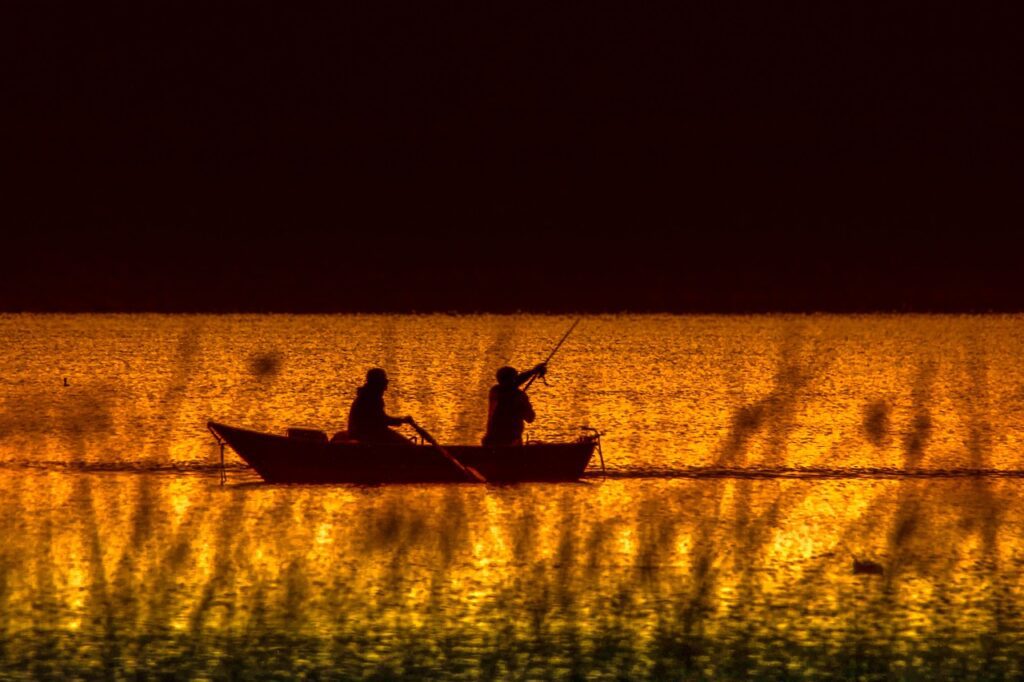
Fishing the Flats
When you step onto the flats, you’re entering a dynamic ecosystem where the interplay of water and light reveals a world teeming with life.
You’ll find that targeting species like snook and redfish requires not just the right gear, but a deep understanding of the environment and its rhythms.
As you consider the factors that can make or break your day on the water, you’ll soon realize that timing and technique are vital.
But what specific strategies can elevate your experience and increase your catch? Let’s explore the nuances that could enhance your success.
Understanding the Ecosystem
The ecosystem of the flats is a vibrant tapestry teeming with life, and understanding it’s crucial for successful fishing.
When you step onto the flats, you’ll notice the shallow waters hosting a variety of species.
The sunlight penetrates the clear water, promoting the growth of seagrass and algae, which serve as essential habitats and food sources for many fish.
As you explore, keep an eye out for baitfish, crabs, and shrimp—these are the primary food sources for larger game fish, like trout and redfish.
The tidal movements play a vital role in this ecosystem, bringing nutrients and influencing the behavior of both prey and predator.
Timing your fishing trips with the tides can significantly increase your chances of success.
You’ll also encounter various invertebrates and mollusks, which contribute to the ecosystem’s balance.
Understanding the relationships between these species can help you identify where fish might be feeding.
Essential Gear for Flat Fishing
When fishing the flats, having the right gear is essential for a successful outing.
Start with a light spinning rod and reel, ideally in the 7 to 8-foot range, which provides the sensitivity needed to detect subtle bites.
Pair it with a braided line for better casting distance and strength.
Next, ensure you’ve got a selection of artificial lures, such as soft plastics, spoons, and topwater plugs.
These mimic the local baitfish and crustaceans that flats species feed on.
Don’t forget about a decent tackle box to keep your lures organized and easily accessible.
A good pair of polarized sunglasses is crucial for spotting fish and minimizing glare from the water.
Additionally, wear a comfortable hat and lightweight clothing to protect yourself from the sun.
Techniques for Success
With the right gear in hand, mastering techniques for fishing the flats can significantly increase your chances of landing a catch.
First, focus on stealth. Move slowly and quietly to avoid spooking fish that may be lurking in shallow waters.
Use a light rod and a sensitive line to detect subtle bites.
Next, pay attention to the tides.
Fish often feed during specific tidal movements, so plan your trips around these times for better results.
Try to fish during the incoming tide, when water brings in food and fish from deeper areas.
Casting accuracy is crucial.
Aim for areas where fish are likely to be, like grass beds, drop-offs, or near structures.
Practice your casting to improve precision, allowing you to place your bait or lure exactly where it needs to be.
Don’t forget about presentation.
Use the right retrieval techniques, whether it’s a slow, steady retrieve or a quick jigging motion, depending on the species you’re targeting.
Experiment with various lures and colors to find what works best on that particular day.
With patience and practice, you’ll refine your skills and enjoy greater success in the flats.
Best Locations to Fish
Finding the right spots to fish the flats can make all the difference in your success.
Start by targeting areas where grass beds meet sandy bottoms; these transitional zones are often hotspots for fish.
Look for deeper channels or drop-offs within the flats, as they provide refuge for fish during warmer months and attract bait.
Tidal changes play a crucial role, so focus on fishing during incoming tides when fish move into feed.
Popular locations include mangroves, seagrass beds, and oyster bars, as they offer both cover and food.
Don’t overlook the influence of structures like jetties or piers; these can create eddies that draw fish in.
Additionally, keep an eye on weather patterns.
Overcast days can lead to increased activity, so hit the water during these times.
If you’re near saltwater estuaries, they often serve as nursery zones for juvenile fish, making them prime fishing locations.
Conservation and Responsible Practices
Responsible fishing practices are essential to preserving the delicate ecosystems of the flats.
When you head out to fish, remember that your actions can significantly impact the environment.
Start by practicing catch and release whenever possible.
This method helps maintain fish populations, allowing them to thrive while still giving you the thrill of the catch.
You should also be mindful of the gear you use.
Opt for environmentally friendly tackle, and avoid using lead weights, which can harm wildlife.
Always check local regulations regarding size limits and protected species to ensure you’re fishing sustainably.
Be aware of your surroundings, too.
Avoid disturbing nesting areas or sensitive habitats.
If you spot wildlife, observe from a distance and refrain from approaching or feeding them.
Your presence can disrupt their natural behavior.
Fishing the flats is an exhilarating experience that connects you to vibrant marine ecosystems.
By understanding the environment, using the right gear, and applying effective techniques, you can increase your chances of landing that trophy trout or redfish.
Remember to choose the best locations and practice responsible fishing to protect these precious habitats.
So, grab your tackle, time your trips with the tides, and enjoy the thrill of fishing the flats while preserving this beautiful resource for future generations.