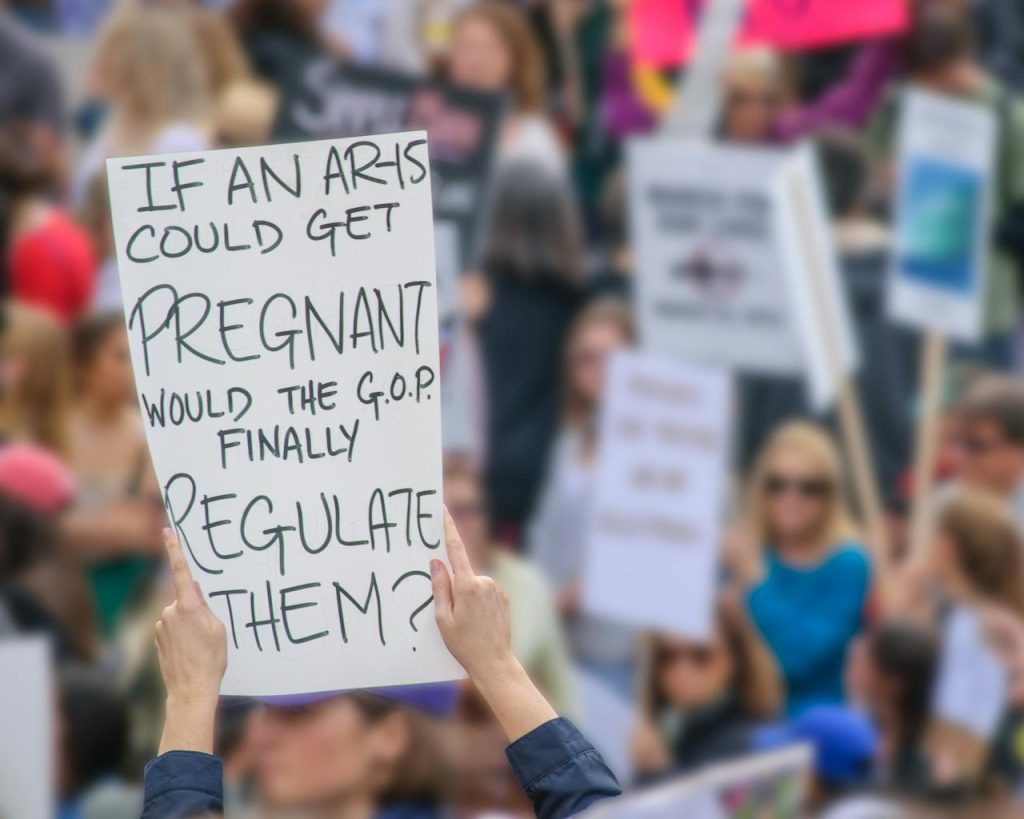
Misrepresentation of the Republicans
You’ve likely encountered the common stereotypes surrounding Republicans, but have you considered where these Misrepresentation of the Republicans?
Many of these distortions spring from media portrayals that focus on extreme viewpoints, overshadowing the party’s core values.
This creates a narrow understanding that can alienate potential conversations.
As we explore how social media amplifies these narratives, it becomes clear that there’s much more to the story than meets the eye.
What lies beneath these surface-level perceptions?
The Origins of Republican Misrepresentation
The origins of Republican misrepresentation can be traced back to strategic messaging that often distorts the party’s true principles.
You’ll notice that political rhetoric tends to simplify complex issues, making it easier to rally support but often at the cost of accuracy.
The focus shifts to catchy slogans and sound bites rather than nuanced discussions.
This approach can lead to misunderstandings about the party’s values, creating a gap between what Republicans stand for and how they’re perceived.
As a result, you may find that many voters are swayed by misconceptions rather than informed opinions.
Understanding this origin helps you navigate the landscape of political discourse, encouraging critical thinking about the messages you encounter regarding the Republican Party.
Common Stereotypes and Their Impact
While many people hold strong opinions about the Republican Party, common stereotypes often cloud the reality of its members’ beliefs and values.
You might think all Republicans are wealthy, privileged, or uncaring, but that’s a narrow view.
Many Republicans genuinely believe in hard work, personal responsibility, and helping their communities.
These stereotypes can alienate individuals who might otherwise engage in meaningful dialogue.
When you label someone based on preconceived notions, you miss the opportunity to understand their unique perspectives.
Additionally, these oversimplifications can lead to polarization, making political discussions more contentious than they need to be.
By challenging these stereotypes, you can foster a more inclusive environment where diverse beliefs are acknowledged and respected.
Consider engaging with individuals to uncover the truth behind their values.
Media Portrayal of Republican Ideologies
Although media outlets often emphasize sensational stories, their portrayal of Republican ideologies frequently misses the nuances of individual beliefs within the party.
You might notice that coverage often highlights extreme viewpoints, leading to a skewed understanding of what Republicans truly stand for.
Many voters align with traditional values, fiscal responsibility, and personal freedom, yet these principles often get overshadowed by louder, more controversial voices.
This oversimplification can create a disconnect between public perception and the reality of Republican beliefs.
When you engage with media narratives, consider how they shape your understanding of the party.
It’s crucial to seek out diverse perspectives to appreciate the full spectrum of Republican ideologies, rather than relying solely on sensational headlines.
The Role of Social Media in Shaping Perceptions
As social media continues to dominate how we consume news, it profoundly influences perceptions of Republican beliefs and actions.
You might notice that platforms like Twitter and Facebook amplify extreme viewpoints, often overshadowing moderate ones.
This creates a skewed narrative that can misrepresent the party as a whole.
When you scroll through your feed, you might encounter memes or viral posts that simplify complex issues into catchy soundbites, distorting the actual policies and positions.
Additionally, echo chambers can reinforce existing biases, making it hard to see the nuanced perspectives within the party.
As you engage with these platforms, be mindful of the information you consume and share, understanding that social media plays a powerful role in shaping public opinion about the Republicans.
Bridging the Divide: Understanding Diverse Perspectives Within the Party
Understanding the diverse perspectives within the Republican Party is crucial, especially when you consider how often the media simplifies complex beliefs into a single narrative.
You might find that some members prioritize fiscal conservatism, while others focus on social issues or national security.
Engaging with these varied viewpoints can help bridge the divide among party members.
When you listen to different opinions, it fosters collaboration and understanding that can strengthen the party as a whole. Instead of viewing disagreements as obstacles, see them as opportunities for growth.
Embracing this diversity encourages open dialogue and unites individuals around shared goals.
Ultimately, identifying common ground can lead to a more cohesive and effective Republican Party moving forward.
In understanding the misrepresentation of Republicans, you can challenge stereotypes and engage in meaningful conversations.
Recognizing the diverse perspectives within the party helps bridge divides, fostering collaboration instead of conflict.
By questioning media portrayals and acknowledging the role of social media, you can contribute to a more nuanced dialogue.
It’s essential to seek out the core principles of fiscal responsibility and personal freedom that many Republicans value, paving the way for greater understanding and unity among all voters.