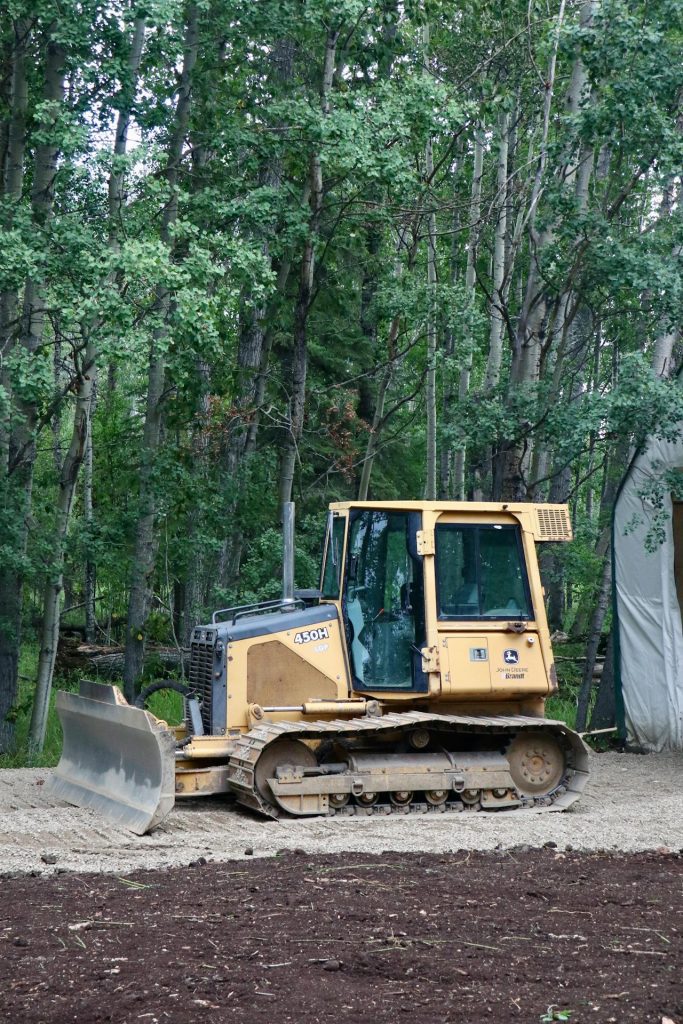
Forest Being Cleared on Amelia Island
As you explore the ongoing forest clearing on Amelia Island, you’ll notice that the pressure for development is palpable for the Forest Being Cleared on Amelia Island.
New homes and businesses are sprouting up, but this growth often comes at a cost.
The delicate balance between progress and preserving nature is increasingly strained.
What does this mean for the island’s wildlife and ecosystems?
The answers may surprise you as the community grapples with these pressing issues.
Reasons for Forest Clearing on Amelia Island
As development pressures increase, many people on Amelia Island are finding reasons to clear forests.
You might notice that expanding residential areas and commercial developments are pushing for more space.
This often leads to the removal of trees to make way for new homes, shops, and amenities.
Additionally, some folks want to create recreational spaces, such as parks and trails, which also requires clearing land.
There’s a demand for infrastructure improvements, too, like roads and utilities, which necessitate forest removal.
Economic growth can drive this trend, as developers aim to meet the needs of a growing population.
Unfortunately, these decisions can have lasting effects on local ecosystems and wildlife, raising concerns about the balance between progress and preservation.
How the Community Balances Development and Conservation
While development pressures continue to mount, the Amelia Island community actively seeks ways to balance growth with conservation efforts.
You’ll find local organizations collaborating with developers to create sustainable projects that respect the island’s natural beauty.
Workshops and public forums invite residents to voice their concerns, ensuring everyone has a say in the future of their home.
Additionally, the community supports zoning laws that protect green spaces and wetlands, promoting eco-friendly designs in new developments.
By prioritizing native landscaping and energy-efficient construction, you help preserve the island’s unique ecosystem.
Through these proactive measures, the community demonstrates that responsible growth and environmental stewardship can coexist, paving the way for a vibrant, sustainable future on Amelia Island.
Environmental Impact on Amelia Island’s Wildlife
The ongoing development on Amelia Island poses significant challenges for the local wildlife, impacting their habitats and migration patterns.
As forests are cleared, you may notice a decline in various species that once thrived in these areas.
Birds, mammals, and reptiles rely on these ecosystems for food and shelter.
With fewer trees and undergrowth, their survival becomes increasingly difficult.
Additionally, the fragmentation of habitats forces animals to adapt to new conditions, often leading to increased competition for resources.
You might also see changes in the behaviors of local species as they search for new territories or food sources.
The delicate balance of this ecosystem hangs in the balance, and every action taken now has lasting consequences for the wildlife that calls Amelia Island home.
What’s Next for Amelia Island Development?
With ongoing development plans on Amelia Island, stakeholders must carefully consider the future landscape and its implications for both residents and the environment.
As you look ahead, think about how new housing, commercial spaces, and recreational areas will reshape the island.
The balance between development and preserving the island’s charm is crucial.
You’ll want to engage with community forums and local government meetings to voice your opinions and understand the different perspectives at play.
Collaborating with developers can lead to innovative solutions that respect both growth and nature.
Keep an eye on zoning changes and infrastructure improvements, as these will impact not only your daily life but the island’s long-term sustainability.
The choices made today will shape Amelia Island for generations to come.
How We Can Protect Nature While Developing
As developers push forward with projects on Amelia Island, finding ways to protect the natural environment becomes essential.
You can start by incorporating sustainable practices like using native plants in landscaping and preserving existing trees.
Consider implementing green building techniques that reduce energy consumption and minimize waste.
Engaging with local conservation groups can provide valuable insights and support for eco-friendly initiatives.
You should also prioritize responsible land use by establishing buffer zones around sensitive areas and using permeable materials to manage stormwater runoff.
Encouraging community involvement in environmental stewardship programs fosters a shared sense of responsibility.
By balancing development with nature preservation, you’ll create a thriving community that respects and enhances Amelia Island’s unique ecosystem.
As you consider the future of Amelia Island, it’s crucial to find a balance between development and conservation.
By advocating for sustainable practices and supporting local conservation efforts, you can help protect the island’s unique ecosystems and wildlife.
Together, we can ensure that growth doesn’t come at the expense of the natural beauty that makes Amelia Island special.