Finding Sharks Teeth
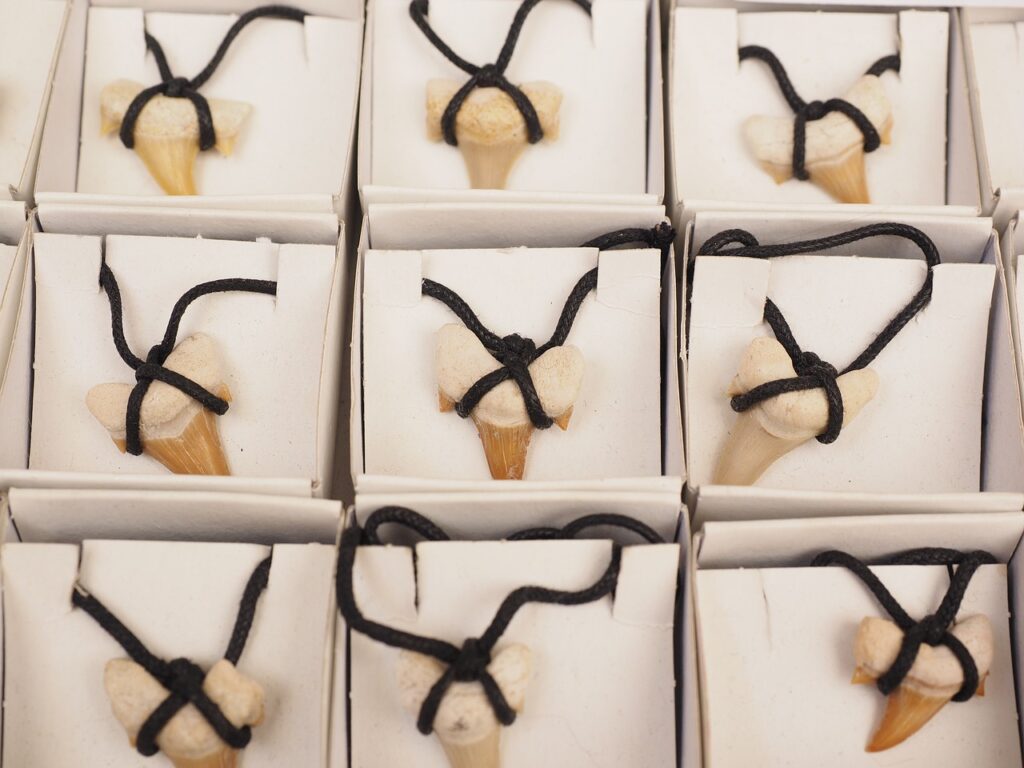
When it comes to finding shark teeth, the thrill of discovery awaits just beneath the surface of sandy shores and rocky terrains.
Imagine the rush of stumbling upon a prehistoric relic nestled among the grains of sand, a piece of history waiting to be unearthed.
But how can you ensure your search is fruitful and your collection grows?
Let’s explore the secrets and strategies that seasoned hunters employ to uncover these elusive treasures, guiding you toward a world where each tooth tells a story of ancient oceans and mysterious creatures.
Best Locations for Shark Teeth
For the best chance of finding shark teeth, head to beaches with high concentrations of shells and gravel.
These locations provide ideal habitats where shark teeth are more likely to wash ashore.
Look for beaches that have rocky or pebbly areas, as these can also be hotspots for finding these prized treasures.
Keep an eye out for spots where shells accumulate, as these areas often hold a higher chance of discovering shark teeth among the debris.
Additionally, areas near cliffs or rock formations can be fruitful hunting grounds for shark teeth.
The natural erosion and shifting of rocks can unearth hidden treasures and bring them to the surface.
Be sure to explore these rocky areas carefully, as shark teeth might be nestled among the nooks and crannies.
Essential Tools for the Hunt
What tools are essential for your shark teeth-hunting adventure?
When embarking on your quest to find these prehistoric treasures, there are a few key items that can significantly enhance your experience.
The first tool you’ll need is a sturdy mesh bag or sifter to sift through sand and gravel efficiently.
This will help you separate the shark teeth from other debris you may come across.
A good pair of tweezers is also crucial for picking up delicate teeth without causing damage.
Look for tweezers with a fine tip for precision handling.
A small shovel or trowel can be handy for digging in rocky areas or harder sediment layers where teeth might be buried.
Additionally, having a reliable headlamp or flashlight is essential, especially if you plan to hunt during early morning or late evening hours.
This will help you spot teeth in dimly lit areas or shadows along the shore.
Tips for Spotting Teeth
To improve your chances of spotting shark teeth, keep an eye out for dark, triangular shapes amidst the sand and rocks.
Shark teeth are typically black, brown, or grey, making them stand out against the lighter tones of the beach or riverbed.
Scan the ground carefully, focusing on areas where the waves may have washed up interesting finds.
Look for sharp edges and symmetrical shapes that resemble the teeth of modern sharks.
In addition to visually searching for teeth, use your hands to feel for rough or jagged surfaces that could indicate the presence of a shark tooth.
Running your fingers through the sand or sifting through sediment can help you locate hidden treasures that are easily missed by the naked eye.
Remember to stay patient and persistent during your search.
Sometimes shark teeth can be buried under layers of sediment or partially hidden within crevices.
By staying observant and methodical, you increase your chances of finding these ancient relics.
Cleaning and Preserving Finds
Cleaning and preserving your shark teeth finds is essential to maintain their integrity and quality for display or collection purposes.
Once you have found shark teeth, the next step is to ensure they remain in good condition.
To clean your finds, start by rinsing them with water to remove any dirt or debris.
A soft-bristled toothbrush can be used to gently scrub the teeth and remove any remaining particles.
Avoid using harsh chemicals or abrasive materials that could damage the teeth.
After cleaning, it’s important to properly dry the teeth to prevent any mold or mildew from forming.
Air-drying them on a towel or paper towel is a good method.
To preserve your shark teeth, storing them in a dry and cool environment is key.
A small container or display case can help protect the teeth from dust and moisture.
Consider using silica gel packets to control humidity levels and prevent any potential damage.
Joining Shark Tooth Hunting Communities
Joining shark tooth-hunting communities can provide you with valuable insights, tips, and camaraderie as you pursue your passion for finding these treasures and Finding Sharks Teeth.
These communities are filled with fellow enthusiasts who share your excitement for hunting shark teeth and are eager to swap stories, techniques, and locations.
By joining these groups, you can expand your knowledge about different species of sharks, the best hunting grounds, and the most effective tools to use.
Being part of a shark tooth-hunting community also opens up opportunities for group hunts and organized events, allowing you to connect with like-minded individuals and learn from experienced hunters.
You may discover new spots to explore, uncover hidden tips for successful hunts, and even make lasting friendships along the way.
The support and encouragement from fellow members can boost your confidence and inspire you to continue your quest for these ancient treasures.
So, don’t hesitate to join a shark tooth-hunting community and dive into a world of shared passion and discovery.
Now that you have the tools and tips for finding shark teeth, go out and start your adventure!
Remember to explore beaches with high concentrations of shells, use essential tools like a mesh bag and tweezers, and keep an eye out for dark, triangular shapes.
Joining shark tooth-hunting communities can also enhance your experience and knowledge. Happy hunting!
Have fun Finding Sharks Teeth!