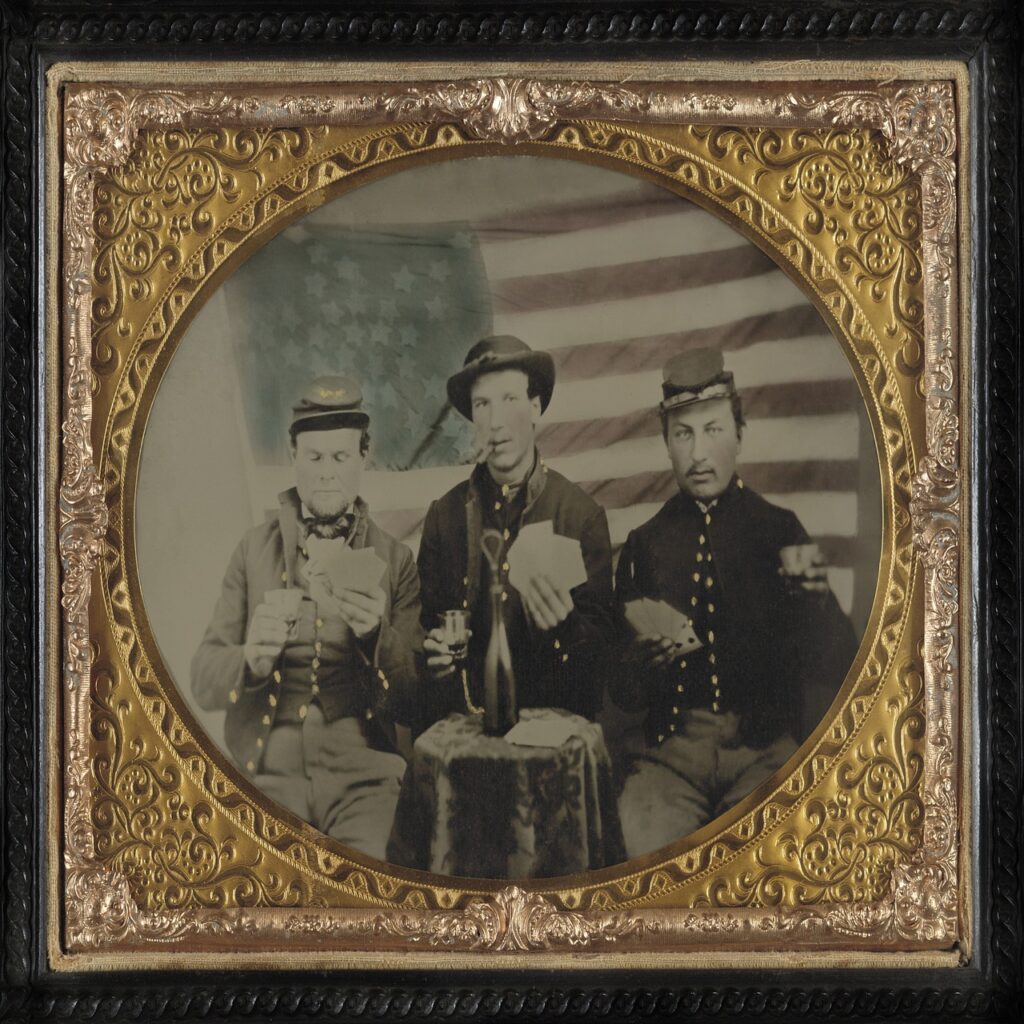
Amelia Island During the Civil War
Imagine you’re standing on the windswept shores of Amelia Island in 1862, the pivotal year when Union forces seized control from the Confederacy.
You’d witness a dramatic shift as this strategic locale, once bustling with Confederate blockade runners, transforms into a sanctuary for escaped slaves.
The island’s unique position at the mouth of the St. Marys River makes it a linchpin in maritime operations and a hotbed of espionage and covert activities.
As you explore the layers of this historical gem, consider the profound impact these events had on the local population, both during and after the turmoil of war. What lasting effects did this era have on the community and its future?
Strategic Importance of Amelia Island
Amelia Island’s strategic location made it a coveted asset for both Union and Confederate forces during the Civil War.
You’d find its importance not just in military terms but also in its economic implications.
Nestled at the northeastern tip of Florida, it sits at the mouth of the St. Marys River, making it a gateway to the interior of the South.
This position provided a unique advantage for controlling access to the region’s resources and interior lines of communication.
The island’s proximity to major shipping lanes further amplified its significance.
Whoever controlled Amelia Island could influence maritime traffic and, consequently, the flow of goods and supplies crucial for wartime efforts.
It wasn’t just about military might; it was also about economic control.
The ability to oversee and potentially disrupt the opponent’s supply chains could tilt the balance of power significantly.
Imagine being able to monitor and intercept ships carrying vital resources like food, ammunition, and medical supplies.
That’s what Amelia Island offered.
It was a chess piece that both sides desperately wanted to capture and hold, not just to assert dominance over the region but to choke or bolster supply routes that were lifelines in the grinding war effort.
Union and Confederate Presence
Throughout the Civil War, both Union and Confederate forces continually vied for control of Amelia Island due to its strategic value.
You’d find the island switching hands multiple times, mirroring the larger conflict’s ebb and flow.
Initially, Confederate troops held sway, foreseeing the island as a critical point to defend Florida’s eastern flank.
However, their grip wasn’t to last long.
By early 1862, the Union launched Operation Fernandina and swiftly took over Amelia Island.
This strategic move was part of a larger effort to blockade the Southern ports and cut off supply lines.
Once under Union control, the island became a haven for escaped slaves and a base for further Union operations in the area.
You can imagine the flurry of activity as the island transformed under Union occupation, with troops and supplies continuously arriving.
The Confederate attempts to reclaim Amelia Island were sporadic and ultimately unsuccessful.
Skirmishes flared up, with each side testing the other’s resolve, but the Union’s stronghold remained firm.
The presence of both sides on this small piece of land highlights just how crucial each inch of territory was in the broader scope of the war.
Blockade-Running Operations
You’d witness daring blockade-running operations as smugglers navigated the treacherous waters around Amelia Island to elude Union ships.
By night, the darkness would cloak their silent endeavors as they slipped past the blockades established to suffocate the Confederacy’s supply lines.
You’d see small, fast steamers darting back and forth, loaded with precious cargoes of cotton destined for foreign ports where they’d be exchanged for much-needed war supplies.
These vessels, often painted gray to blend with the sea fog, relied on speed and stealth.
Their captains were skilled navigators, familiar with the local channels and tides, which they used to their advantage.
If you were there, you’d feel the tension each time a ship made a run, knowing that capture meant not only the loss of valuable cargo but also possible imprisonment or worse for the crew.
The Union Navy, aware of these activities, increased patrols, deployed more ships and employed new technology like steam-powered vessels and naval mines.
Yet, the blockade runners often managed to escape, thanks to their superior local knowledge and the occasional storm providing cover.
These high-stakes games of cat and mouse were critical in keeping the Confederate war effort alive, directly challenging the Union’s efforts to isolate the South.
Impact on Local Population
While blockade-running brought excitement and economic opportunity, it also exposed the local population to increased risks and hardships.
You’d have found that the constant threat of Union naval patrols and incursions could disrupt daily life at any moment.
Your community might’ve faced shortages of essential goods, as blockade runners often prioritized cargo that was more profitable rather than what was most needed locally.
Imagine the frustration of seeing luxury items smuggled through your town while you struggled to secure necessities like medicine or salt.
The presence of both Confederate and Union forces on the island further complicated your life.
You’d have experienced the imposition of martial law, curfews, and perhaps even forced labor or conscription, pulling you or your loved ones away from home to serve in military or support roles.
The war didn’t just bring physical dangers; it strained the social fabric and often pitted neighbor against neighbor, igniting local tensions that could last well beyond the war.
Additionally, the fluctuating control of Amelia Island meant that your allegiances were constantly questioned, making trust a rare commodity.
You’d have to navigate these treacherous social dynamics while also coping with the broader uncertainties and fears brought by the war.
Aftermath and Legacy
After the Civil War, Amelia Island grappled with a complex legacy that reshaped its community and economy.
You’d see this transformation unfold through the shifting economic practices and the evolving social structure.
The island’s port, once bustling with the trade of cotton, had to rapidly adapt.
Emancipation meant the workforce changed overnight.
You might imagine the freed slaves seeking new livelihoods, turning to fishing and shrimping, which emerged as new industries.
The social fabric of Amelia Island was equally transformed.
Efforts to integrate the newly freed African American population were met with resistance and, at times, outright hostility.
Yet, you’d notice a burgeoning sense of community among the African American residents as they established churches and schools, laying the foundations for a culture that would deeply influence the island’s identity.
Tourism also began to take root as a key component of the island’s post-war economy.
You’d see hotels and resorts cropping up, turning the island into a getaway destination.
This shift not only helped revive the local economy but also began to reshape the island’s image from a war-torn region to a charming tourist haven.
Thus, the aftermath of the Civil War left Amelia Island with a legacy of resilience and transformation, influencing its path forward in profound ways.
As you explore Amelia Island’s Civil War history, you’ll uncover its critical role in shaping the conflict.
Held by both the Union and Confederates, the island was a hotbed for blockade-running, deeply affecting the local community and economy.
Despite the hardships endured, the island emerged as a beacon for freedom seekers and played a vital role in the maritime strategies of the war.
Its legacy continues to influence the cultural and historical fabric of the area today.