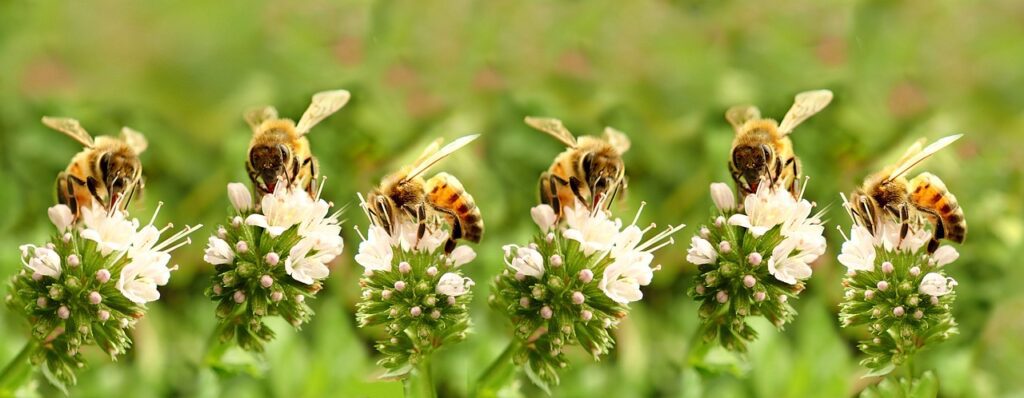
Try to Help Bees
If you’re looking to make a positive impact on the environment, helping bees should be on your radar.
These tiny pollinators play a crucial role in our ecosystem, but they’re facing challenges that require our attention.
By taking small steps in your backyard or community, you can support bee populations and contribute to a healthier environment.
So, what can you do to lend a hand to these essential creatures?
Stay tuned to discover practical ways to assist bees and make a difference in their survival.
Importance of Bees in Ecosystem
Bees play a crucial role in the ecosystem by pollinating plants and supporting biodiversity.
As they move from flower to flower collecting nectar and pollen, bees inadvertently transfer pollen grains, facilitating the fertilization of plants.
This process is essential for the reproduction of many plant species, including fruits, vegetables, and wildflowers.
Without bees, the reproduction and growth of these plants would be severely impacted, leading to a decline in food production and plant diversity.
In addition to pollination, bees also contribute to biodiversity by serving as a food source for other animals.
Birds, insects, and mammals rely on bees as a food staple, creating a delicate balance in the food chain.
By supporting bee populations, you’re indirectly helping to sustain the populations of many other species in the ecosystem.
Understanding the critical role that bees play in maintaining the balance of the ecosystem highlights the importance of taking action to protect and support these vital pollinators.
By implementing bee-friendly practices in your garden, such as planting bee-friendly flowers and avoiding pesticide use, you can make a meaningful contribution to the preservation of bees and the ecosystem as a whole.
Threats to Bee Populations
To understand the challenges facing bee populations today, it’s essential to recognize the various threats they encounter in their environment.
Bees are currently facing multiple dangers that are leading to a decline in their populations.
One significant threat is the use of pesticides in agriculture.
These chemicals can harm bees by affecting their nervous systems, navigation abilities, and overall health.
Another threat is habitat loss due to urbanization and intensive farming practices, which result in fewer wildflowers for bees to feed on.
Climate change is also exacerbating the situation, causing shifts in flowering times and impacting the availability of food sources for bees.
Additionally, diseases and parasites, such as Varroa mites, pose a serious threat to bee colonies worldwide.
These factors combined are putting immense pressure on bee populations, making it crucial for us to take action to protect these vital pollinators.
Plant Bee-Friendly Flowers
Start supporting bee populations by planting flowers that are friendly to them in your garden or community spaces.
Bees play a crucial role in pollinating plants, including many of the fruits and vegetables that we enjoy.
By providing a variety of bee-friendly flowers, you can help attract bees to your area and provide them with a vital food source.
When selecting flowers for your garden, opt for a diverse range of colors, shapes, and bloom times to attract different bee species.
Bees are particularly drawn to native wildflowers such as lavender, sunflowers, and coneflowers.
These flowers provide bees with nectar and pollen, essential for their survival and the pollination of nearby plants.
Incorporate bee-friendly flowers into your landscaping or community gardens to create a vibrant and welcoming environment for bees.
Avoid the use of harmful pesticides that can harm bees and other beneficial insects.
Avoid Harmful Pesticides
Opt for natural alternatives to harmful pesticides when maintaining your garden to protect bee populations and other beneficial insects.
Chemical pesticides can harm bees by contaminating their food sources and weakening their immune systems.
Instead, consider using organic solutions like neem oil, insecticidal soaps, or diatomaceous earth to control pests without endangering bees.
When purchasing plants from nurseries, inquire about their pesticide use to ensure you aren’t introducing harmful chemicals into your garden.
Additionally, avoid using systemic pesticides that can be absorbed by the plants and transferred to the bees through pollen and nectar.
Encourage natural predators like ladybugs, lacewings, and praying mantises to help control pest populations in your garden.
These beneficial insects can assist in maintaining a healthy balance without the need for harsh chemical interventions.
Support Local Beekeepers
Consider actively supporting local beekeepers in your community to contribute to the preservation and sustainability of bee populations.
By purchasing honey, beeswax products, or even renting beehives from local beekeepers, you directly help in the conservation of bees.
Local beekeepers play a crucial role in maintaining bee colonies and promoting pollination, which is essential for the ecosystem.
Supporting local beekeepers not only aids in the well-being of bees but also benefits your community.
By buying local honey, you support small businesses and sustainable agricultural practices.
Additionally, many beekeepers are passionate about educating the public on the importance of bees, offering workshops, and school visits to raise awareness.
When you choose local beekeepers over mass-produced honey, you ensure that the honey you consume is pure and free from additives.
This supports the hard work and dedication that beekeepers put into their craft.
By supporting local beekeepers, you’re making a positive impact on the environment and helping to secure the future of bee populations.
So, next time you’re tending to your garden or shopping for produce, remember the importance of bees and how you can help them thrive.
Plant bee-friendly flowers, steer clear of harmful pesticides, and support local beekeepers.
Your small actions can make a big difference in preserving these vital pollinators and ensuring a healthy ecosystem for generations to come.
Be a friend to bees and watch them flourish!