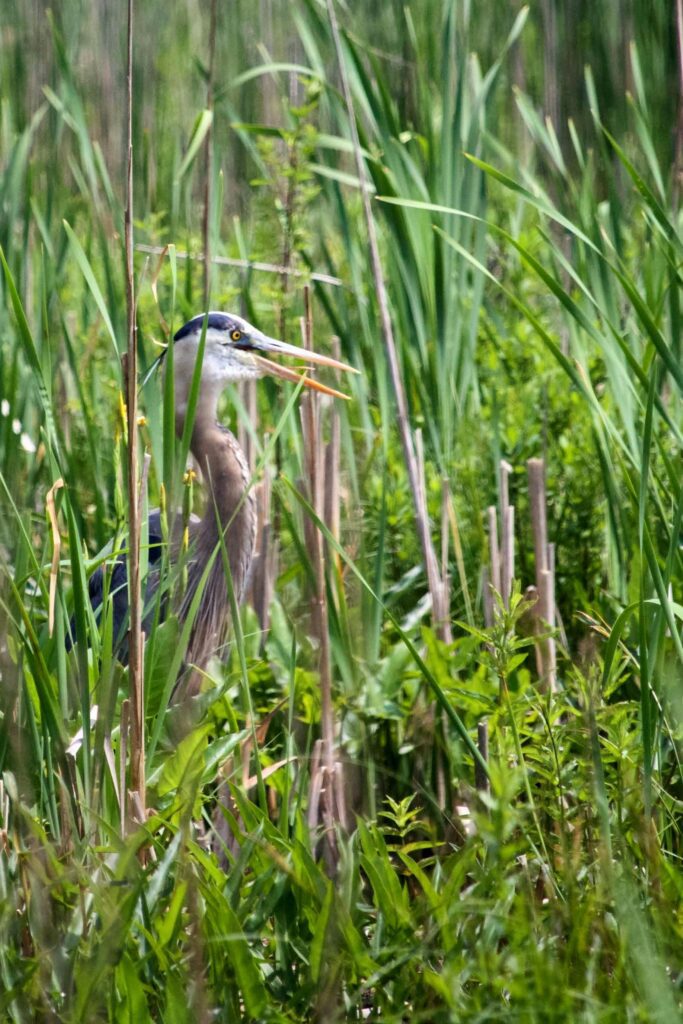
Keeping the Wetlands
You might not realize just how essential wetlands are to our environment, acting as nature’s water filters and supporting countless wildlife.
Yet, urban development and pollution pose significant threats to these ecosystems.
If we don’t take action soon, we risk losing not just the wetlands themselves, but also the myriad benefits they provide.
So, how can we effectively advocate for their preservation while engaging our communities in meaningful ways?
Understanding the stakes is just the beginning.
Let’s explore the intricate balance of protection and community involvement that could make a difference.
Importance of Wetlands
Wetlands play a crucial role in our ecosystem, serving as natural filters for water and providing habitat for countless species.
When you think about wetlands, picture vibrant ecosystems teeming with life.
These areas store and purify water, absorbing excess nutrients and pollutants before they reach larger bodies of water.
This process helps maintain clean water supplies, which you rely on every day.
Additionally, wetlands act as buffers against flooding.
By absorbing heavy rainfall and releasing water slowly, they protect surrounding communities from the devastating effects of floods.
You mightn’t realize it, but these areas also support diverse plant and animal life, from migratory birds to amphibians, creating rich biodiversity that enhances your environment.
Wetlands also play a role in carbon storage, helping to mitigate climate change by trapping carbon dioxide in their soils.
When you consider their many functions, it’s clear that wetlands are vital for maintaining ecological balance.
Threats to Wetland Ecosystems
Many factors threaten the delicate balance of wetland ecosystems, putting their survival at risk.
One major threat is urban development.
As cities expand, wetlands are often drained or filled to make way for buildings and roads.
This not only destroys habitats but also disrupts the natural water cycle.
Pollution is another significant issue.
Runoff from agriculture, industry, and urban areas introduces harmful chemicals and nutrients into wetlands.
This can lead to algal blooms, which deplete oxygen in the water and harm aquatic life.
You may also notice how invasive species encroach upon native plants and animals, outcompeting them for resources and altering the ecosystem’s dynamics.
Climate change poses a profound threat as well.
Rising sea levels and changing precipitation patterns can inundate or dry out wetlands, making it difficult for native species to thrive.
Additionally, altered weather patterns can increase the frequency of extreme events, like floods and droughts, further destabilizing these ecosystems.
Ultimately, these threats highlight the urgent need for awareness and action.
By understanding these challenges, you can advocate for the protection of wetlands and contribute to their preservation for future generations.
Benefits of Wetland Preservation
Preserving wetlands offers a wealth of benefits that extend beyond their ecological importance.
When you protect these vital ecosystems, you’re not just safeguarding biodiversity; you’re also enhancing water quality.
Wetlands act as natural filters, trapping pollutants and sediments before they reach rivers and lakes.
This means cleaner water for you and your community.
Furthermore, wetlands provide essential flood protection.
By absorbing excess rainwater, they help mitigate flooding during heavy storms, reducing damage to homes and infrastructure.
You’ll find that maintaining these areas can save significant costs associated with flood control measures.
Wetlands also serve as crucial habitats for wildlife.
By preserving these ecosystems, you support a variety of species, from fish to migratory birds, which can enrich your local environment and provide opportunities for recreation, such as birdwatching and fishing.
Lastly, wetlands play a role in carbon storage.
By maintaining these areas, you’re contributing to climate change mitigation, as they sequester carbon dioxide from the atmosphere.
Strategies for Protection
Effective strategies for protecting wetlands require a multifaceted approach that involves community engagement, policy advocacy, and sustainable practices.
First, you should advocate for stronger regulations that protect these ecosystems from development and pollution.
Support local and national policies that prioritize wetland conservation, and push for the enforcement of existing laws.
Next, consider implementing sustainable land-use practices.
Encourage landowners to adopt techniques such as buffer zones and controlled drainage to minimize impact on wetlands.
You can also promote restoration projects that aim to rehabilitate degraded wetlands, which can enhance their ecological functions.
Engaging with local organizations and stakeholders is crucial.
Form partnerships with environmental groups, governmental agencies, and businesses to create a collaborative effort towards wetland protection.
Host workshops and meetings to share information and gather support.
Lastly, monitor wetland health by collecting data and reporting any changes.
This ongoing assessment will help identify issues early on and inform necessary actions.
Community Involvement and Education
Community involvement and education play a crucial role in safeguarding wetlands.
When you engage with your local community, you create a collective responsibility towards these vital ecosystems.
Start by participating in local workshops or community meetings focused on wetland conservation.
Sharing knowledge about the importance of wetlands helps raise awareness and fosters a deeper appreciation for these environments.
You can also get involved in citizen science projects, where you gather data on wetland health or monitor wildlife.
This hands-on experience not only enhances your understanding but also contributes valuable information to conservation efforts.
Encourage schools to include wetland education in their curricula, so children learn about these ecosystems early on.
Organize or join clean-up events to remove litter and invasive species from wetlands.
By taking action, you inspire others to recognize their role in protecting these habitats.
Utilize social media to spread the word about wetland issues and successes in your community.
Your efforts can empower others to become active participants in conservation.
Ultimately, when you invest time and energy into community involvement and education, you help ensure the survival of wetlands for future generations.
Together, we can make a difference.
In conclusion, keeping wetlands healthy is essential for our planet’s well-being.
By understanding their importance and the threats they face, you can play a vital role in their preservation.
Embrace sustainable practices, advocate for stronger regulations, and get involved in local conservation efforts.
Together, we can protect these ecosystems, ensuring they continue to provide clean water and habitats for wildlife.
Join the movement to safeguard our wetlands for future generations and help combat climate change.