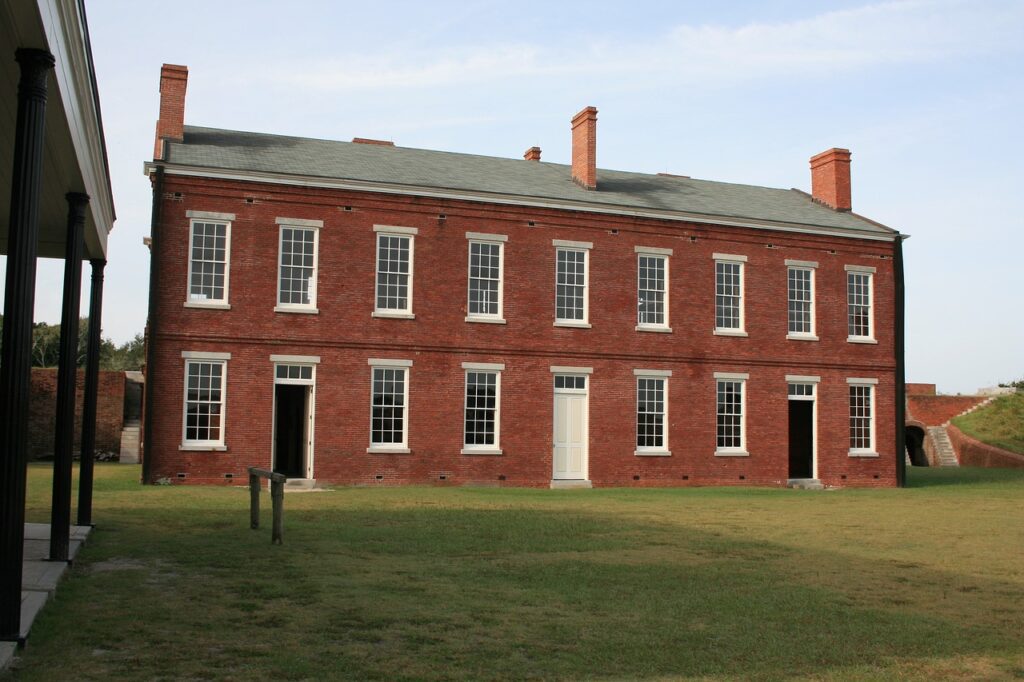
History Of Amelia
Amelia Island does indeed have a rich history that dates back long before the establishment of the United States as a country.
Situated in northeastern Florida, Amelia Island has been inhabited by various indigenous peoples for thousands of years prior to the arrival of European settlers.
Pre-European Settlement:
Before European exploration and colonization, the island was inhabited by indigenous groups, including the Timucua people.
These native inhabitants thrived on the island’s resources, which included abundant seafood, wildlife, and plant resources.
European Exploration and Colonization:
The first recorded European contact with Amelia Island was likely made by the Spanish explorer Juan Ponce de León in the early 16th century.
Spanish influence increased during the 16th and 17th centuries as Spain established a significant presence in Florida.
The island, like other parts of Florida, became a contested region between European powers, with the Spanish, French, and British all vying for control.
British Period:
Amelia Island changed hands between various European powers over the years.
The British gained control of Florida in 1763 as part of the Treaty of Paris that ended the Seven Years’ War (known as the French and Indian War in North America).
The island was used as a base for loyalists during the American Revolutionary War, and it remained under British control until the Treaty of Paris in 1783.
Spanish Period:
After the American Revolution, Florida was returned to Spain in exchange for other territories, and Amelia Island was once again under Spanish rule.
The island saw some development during this period, with plantations and trade becoming more significant.
Nineteenth Century:
During the early 19th century, the island changed hands several times due to various conflicts and changing political circumstances.
In 1811, the Republic of East Florida was briefly declared on Amelia Island by American rebels seeking to seize territory from Spain
. However, this was short-lived, and the island was soon returned to Spanish control.
In 1821, Florida was ceded to the United States by Spain.
Amelia Island became a popular destination for wealthy individuals seeking a warm climate and a resort-like atmosphere. The island’s natural beauty and resources contributed to its appeal.
Modern Era:
Over the years, Amelia Island continued to evolve, becoming a popular tourist destination known for its historic charm, beautiful beaches, and unique culture.
Today, it’s renowned for its preservation of historic sites and its vibrant community.
Throughout its history, Amelia Island has been influenced by various cultures, including Native American, Spanish, British, and American.
Its strategic location and valuable resources have made it a point of interest for different groups, contributing to its diverse and fascinating history.