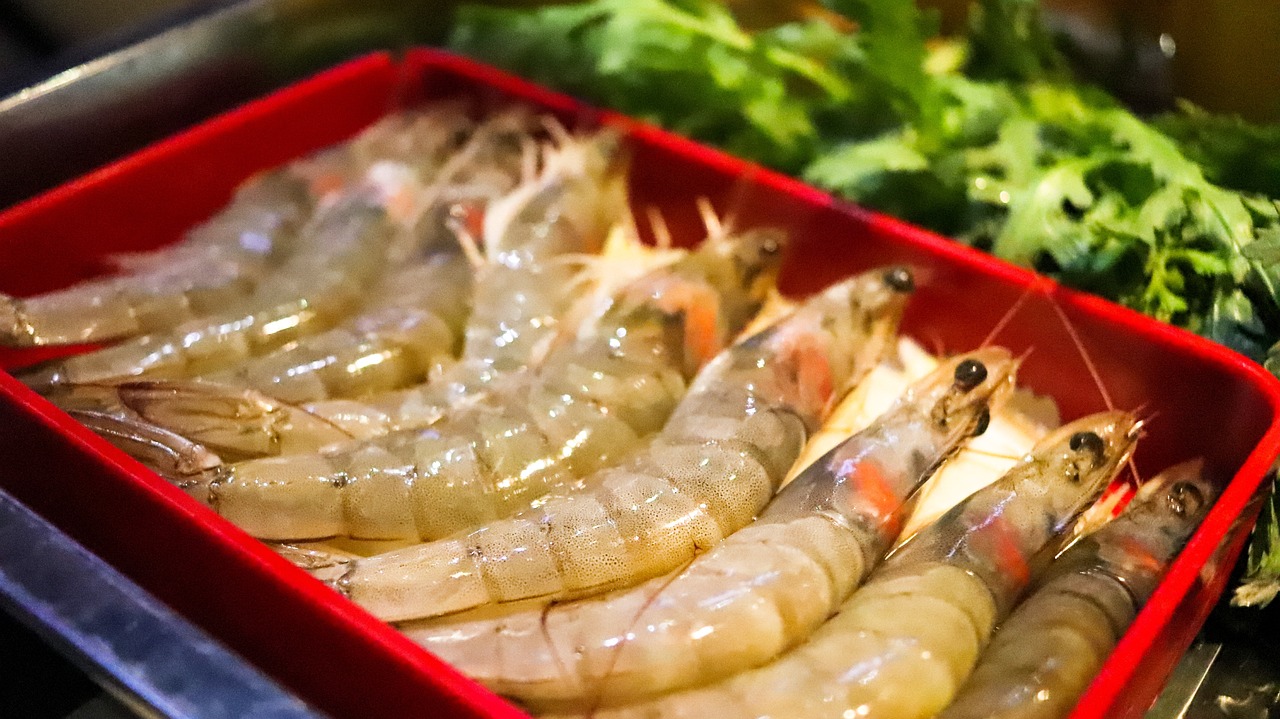
Celebration of Shrimp
Have you ever wondered why shrimp festivals garner such massive crowds and enthusiastic participants with the Celebration of Shrimp?
Around the world, from the sandy shores of Alabama to the festive streets of Mazatlán, shrimp isn’t just food; it’s a cultural phenomenon.
These festivals are not merely about indulging in a wide array of shrimp dishes—they’re a vibrant celebration of local traditions, community, and, of course, the art of seafood cuisine.
Consider the potential discoveries as you explore how these delicious crustaceans have captured the hearts of many.
What might you uncover about your own culinary preferences or cooking techniques in the process?
## The Global Popularity of Shrimp
Shrimp delights palates worldwide, ranking as one of the most popular seafood choices.
You’ll find it’s not just the taste but also the versatility that makes shrimp so beloved across different cultures.
From the bustling fish markets in Japan to the sunny shores of the Mediterranean, shrimp has a global footprint that’s hard to match.
You might wonder why shrimp has risen to such prominence.
It’s primarily due to its widespread availability.
Shrimp is harvested in both cold and warm waters, from the vast Atlantic to the Pacific realms, making it accessible to numerous countries and cultures.
This accessibility has spurred its integration into various traditional dishes, enhancing its global appeal.
Moreover, shrimp farming has boosted its global presence.
Countries like China, Thailand, and Vietnam are leading in aquaculture, pushing the boundaries of shrimp production to meet the growing demand.
This surge in farming practices ensures that shrimp remains not only a staple in coastal regions but also inland areas where seafood isn’t readily available.
As a consumer, you’re part of a vast network that enjoys and sustains the shrimp industry.
Every shrimp dish you savor connects you to a world of flavors, traditions, and innovations that continue to make shrimp a top choice on menus around the globe.
Culinary Uses and Recipes
Now let’s explore how you can bring the global flavors of shrimp into your kitchen with some popular recipes.
First up, you can’t go wrong with a classic shrimp scampi.
It’s simple: sauté shrimp in a rich sauce of garlic, butter, lemon juice, and parsley.
Serve it over pasta or rice for a hearty meal that feels like a trip to Italy.
For something with a bit of Asian flair, why not try shrimp fried rice?
You’ll cook the shrimp with veggies, eggs, and rice, seasoned with soy sauce and sesame oil.
It’s quick and easy, and you can toss in whatever vegetables you have on hand.
If you’re in the mood for something spicy, go for a Cajun shrimp boil.
This one’s a crowd-pleaser with corn, potatoes, sausage, and shrimp all boiled together with plenty of spices.
It’s a complete meal that packs a punch and brings a taste of Louisiana to your table.
Lastly, for a light and refreshing option, make a shrimp ceviche.
Marinate raw shrimp in lime juice until they’re opaque, then mix with onions, tomatoes, cilantro, and avocado.
It’s zesty and perfect for those warm weather days.
Nutritional Benefits Explored
Exploring the nutritional benefits of shrimp reveals that it’s not only delicious but also packed with essential vitamins and minerals.
When you delve into what shrimp offers, you’ll find it’s an excellent source of high-quality protein, with a 100-gram serving providing about 24 grams.
This makes it ideal for muscle repair and growth.
What’s more, shrimp is low in calories, which can help you manage your weight without skimping on nutrients.
Shrimp is also rich in selenium, an important antioxidant that helps fight off oxidative stress and protects your cells from damage.
This can boost your immune system and contribute to a healthy heart.
Additionally, it contains a good amount of B12, a vitamin crucial for maintaining nerve health and producing DNA.
You’ll also benefit from omega-3 fatty acids, known for reducing inflammation and supporting brain health.
Furthermore, shrimp provides iodine, essential for thyroid function, and zinc, which is vital for immune function and skin health.
With all these benefits, incorporating shrimp into your diet can be a tasty way to boost your overall health.
Just remember, moderation is key, as you’d with any food.
Famous Shrimp Festivals Worldwide
Around the globe, numerous festivals celebrate the culinary delights of shrimp, drawing enthusiasts and foodies alike.
Imagine yourself strolling through the bustling lanes of the National Shrimp Festival in Gulf Shores, Alabama.
Held every October, this festival treats you to over 300 vendors offering unique shrimp dishes, live music, and art.
You’d find yourself savoring everything from shrimp tacos to gourmet shrimp gumbo.
Traveling further south, you’d hit the Mazatlán Shrimp Festival in Mexico.
Here, the vibrant culture and local shrimp recipes merge into an unforgettable culinary fiesta.
Picture yourself under the starlit sky, tasting fresh ceviches and spicy shrimp aguachile, enhanced by the spirited sounds of mariachi.
Crossing oceans, the Oostduinkerke Shrimp Festival in Belgium offers a different twist.
You’d witness the traditional shrimp fishermen on horseback, an age-old practice that’s both cultural heritage and spectacle.
The festival includes parades, seafood cook-offs, and, of course, heaps of fresh shrimp ready for tasting.
Each of these festivals showcases the versatility and global love for shrimp.
They’re not just about food; they’re a celebration of local traditions, community, and the joy of discovery.
So, pack your appetite and dive into these world-class shrimp festivals.
Cooking Tips and Techniques
As you savor the global festivities, learning how to cook shrimp effectively can enhance your culinary adventures.
Start with selecting the right type.
Fresh shrimp should smell of the ocean, not fishy, and appear firm and translucent.
If you’re opting for frozen, avoid those treated with chemicals like sodium tripolyphosphate.
Now, onto preparation.
Always devein shrimp; it’s not just about aesthetics but also hygiene.
The vein can harbor grit and bacteria.
Make a shallow slit along the back and pull out the vein with the tip of your knife or a toothpick.
Cooking shrimp is quick and requires your full attention.
Overcooking can turn them rubbery.
Whether you’re grilling, sautéing, or boiling, shrimp generally cook within two to three minutes.
They’re done as soon as they turn pink and opaque.
Here’s a pro tip: marinate your shrimp for an extra flavor kick.
Even a brief 15-minute soak in a mixture of garlic, lemon juice, and herbs can significantly boost the taste.
When grilling, skewer them to keep them from curling up and to ensure even cooking.
As you’ve explored, shrimp isn’t just a meal; it’s a global celebration.
The options are endless and always delicious, from tossing them on the grill to savoring them in a gumbo.
Packed with nutrients, they’re a healthy choice too.
Whether cooking at home or joining a shrimp festival, use these tips and techniques to enhance your dishes.
Dive into the vibrant shrimp world and let every bite take you on a flavorful journey.
Enjoy the feast with the Celebration of Shrimp!